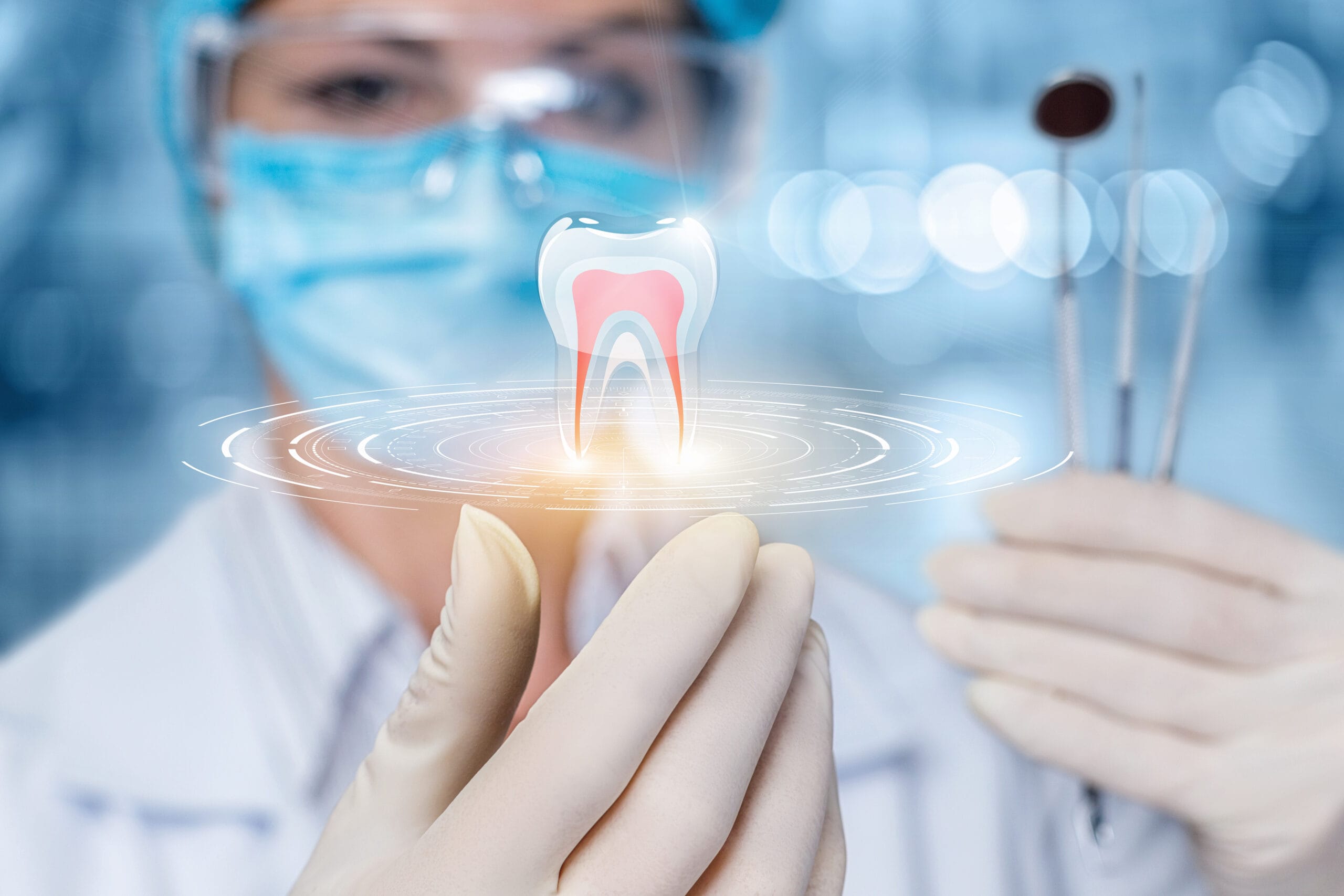
Fast Relief for Severe Tooth Pain
When severe tooth pain arises suddenly, relief cannot come soon enough. If you are experiencing constant tooth pain, discomfort when chewing, or swelling in your gums or face, a tooth infection may be the cause.
At the Yuba City Dentistry Group, we provide timely, thoughtful root canal treatments to eliminate your pain and restore your comfort as quickly as possible. Call (530) 671-4784 or request an emergency appointment below—we’re here to help.
Modern root canal therapy is safe, accurate, and far more comfortable than most patients expect. Our goal is to remove the source of infection, preserve your natural tooth whenever possible, and help you feel like yourself again, often in just one visit.
Schedule a Root Canal Therapy Consultation
Benefits
- Quick pain relief: Removes infected nerve tissues causing the pain and discomfort.
- Controls infection: Prevents the infection from spreading to nearby teeth or the jawbone.
- Saves your natural tooth: Helps avoid pulling the tooth, resulting in more involved replacement procedures.
- Restores normal tooth function: Allows you to comfortably chew, bite, and smile again.
What to Expect
- Exam and digital imaging: We evaluate the tooth and confirm the presence of infection.
- Gentle numbing: Local anesthesia is used to keep you fully comfortable.
- Removal of infection: The damaged pulp and bacteria are carefully cleaned out.
- Disinfection and sealing: The canals are shaped and sealed to protect against reinfection.
- Temporary protection: A temporary filling is placed when a crown is planned.
- Final restoration: A custom crown is often recommended to strengthen the tooth long-term.
When a Root Canal Is Needed
At times, decay, cracks, trauma, or repeated dental treatment cause the inner pulp of a tooth to become infected or inflamed. Root canal therapy is recommended to quickly resolve the issue.
Signs you may need a root canal include:
- Persistent or worsening tooth pain
- Pain when biting or chewing
- Lingering sensitivity to hot or cold
- Swelling of the gums or face
- A pimple-like bump on the gums
Alternatives often include extraction followed by replacement with a bridge or dental implant. Our dedicated team will explain all of your options so you can make an informed decision about what type of treatment you receive.
Cost & Insurance
The cost of root canal therapy varies depending on the tooth involved, the severity of infection, and whether a crown is needed afterward. Molars generally require more extensive treatment than front teeth.
Most dental insurance plans provide at least partial coverage for root canal therapy. Our office and finance team will review your benefits, clearly explain the costs, and provide an estimate before your treatment begins.
- Financing available: CareCredit®, Cherry, and Proceed Finance
- Second opinions welcome: We’re happy to review prior recommendations
Aftercare
- Mild tenderness for a few days is normal and usually manageable with over-the-counter medication.
- Avoid chewing on the treated side until the final restoration is placed.
- Eat softer foods for the first 24–48 hours.
- Maintain thorough brushing and flossing habits.
- Return for your follow-up appointment to protect the tooth.
- Contact our office if swelling or increasing pain develops.
Root Canal Therapy FAQs
Will it hurt?
Most patients feel little to no discomfort during treatment because the tooth is fully numbed. Root canal therapy is performed to relieve pain—not cause it. Mild soreness afterward is common and temporary.
How do I know if I need a root canal?
If you are experiencing lingering sensitivity, pain when chewing, swelling, or a bump on the gum area, then a root canal is usually necessary. We recommend a thorough exam and X-rays for a confident diagnosis.
Do I need a crown after a root canal?
This decision is up to each patient. In our experience, however, back teeth usually benefit from a crown to restore strength and prevent fracture. Some front teeth may be restored with a filling. Our Yuba City dentist will make a recommendation based on your tooth’s condition.
How long does treatment take?
Many root canals are completed in one visit, while more complex cases may require two appointments.
What if the tooth can’t be saved?
Extraction followed by replacement with a dental implant or bridge is typically recommended. We’ll review all options with you.
Is sedation available?
Local anesthesia is standard. Sedation options may be available for patients with dental anxiety.